Niche offering underpins sustainable business growth
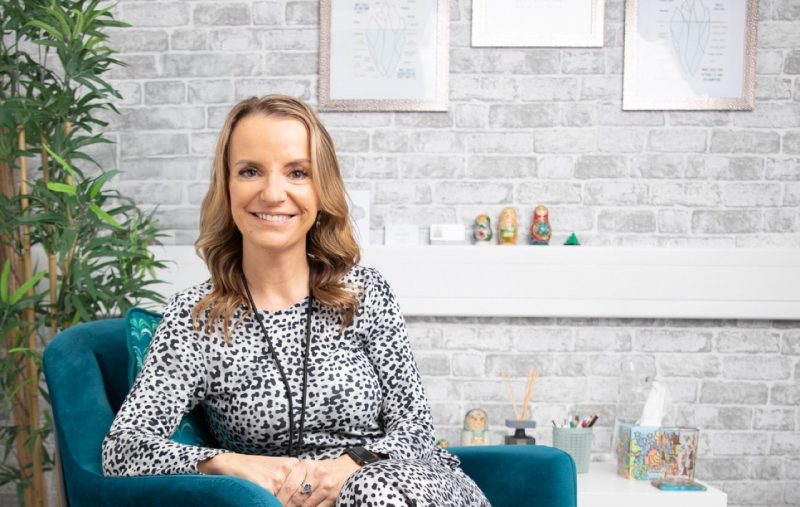
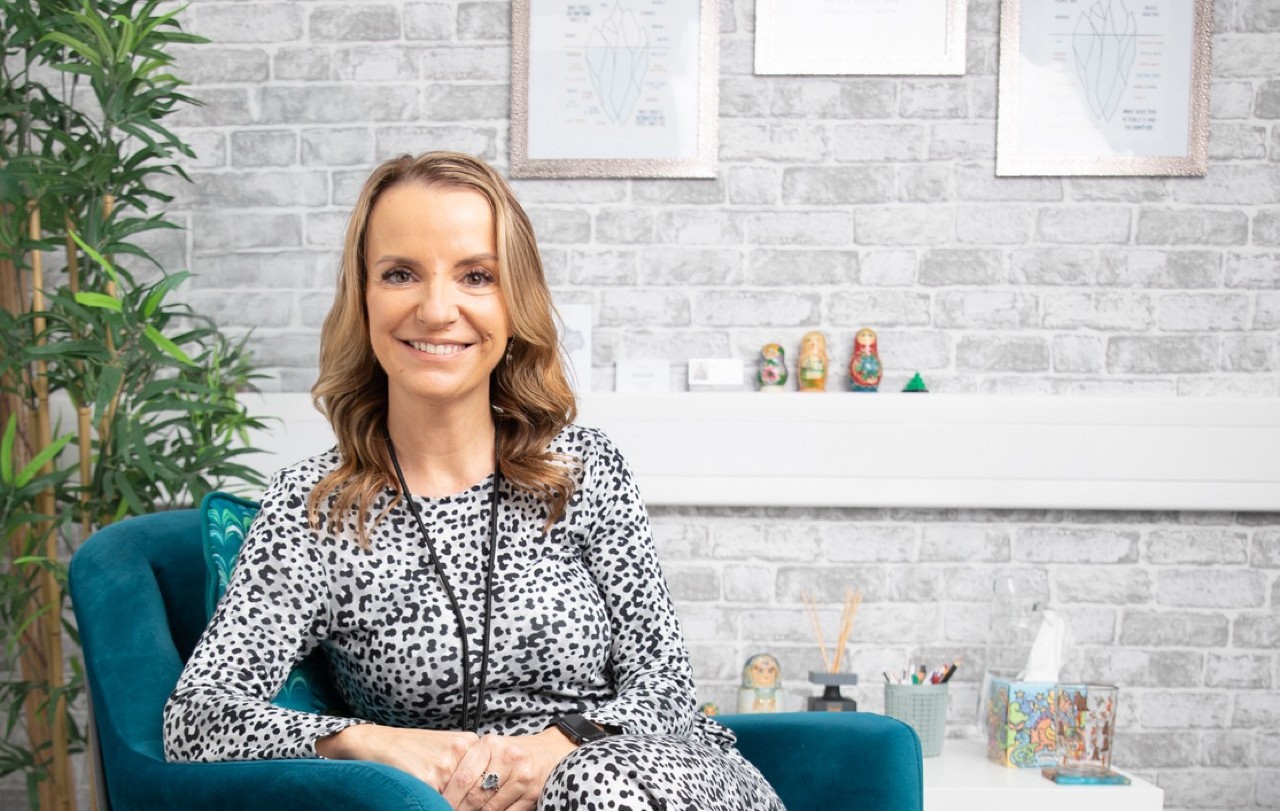
Having a niche offering has enabled Karen Mayberry to build a thriving business, Mayberry Counselling, through website enquiries and word-of-mouth referrals. We caught up with our newest Milton Keynes customer as she prepared to move into her new unit to find out how she plans to help even more clients overcome trauma.
Why did you decide to become a counsellor and what did that involve?
Karen: “I’d always been interested in counselling and knew it was something I wanted to do when the time was right. After running another business for 19 years, I felt I’d outgrown it and decided to retrain.
“I started my training just before COVID, which made things challenging when placements moved online. Just as I was about to qualify, the pandemic hit, so I had to adapt quickly to studying and completing placements virtually. It wasn’t easy, but I was determined to finish.
“After qualifying, I undertook an additional two years of specialist training in trauma because I wanted to deepen my expertise and offer something more than general counselling.”
What sort of counselling do you provide? 
Karen: “I’m an integrative, trauma-informed counsellor, which means I draw on different counselling theories to tailor therapy to each client. Integrative simply means I’ve trained in a variety of approaches and select what works best for each individual.
“Trauma isn’t just about major life events like accidents or disasters. It can be smaller experiences that shape us, such as a family bereavement in childhood or moving schools. Many people think trauma has to be something huge, but it’s often the accumulation of smaller things.
“My focus is on the body and nervous system because they’re closely linked to mental health. For example, anxiety and depression aren’t just psychological – they have physiological responses. I teach clients to recognise those subtle signs, like changes in body temperature or tingling sensations, before they escalate. Sessions can include movement or guided imagery to help clients reconnect with their bodies.
“I also operate an open-door policy, so clients can return for support whenever life throws up new challenges. Therapy doesn’t end when the sessions stop – it’s an ongoing process.”
How did you launch your counselling business?
Karen: “I started around five years ago, during COVID, while still running my previous business. Initially, I built my client base through counselling directories and my website, and I think my niche approach really helped.
“People who’ve tried traditional talk therapy often look for something different, and my body-based, trauma-focused work offers that. I’m not just a talk therapist – I integrate somatic techniques and nervous system regulation.
“The business grew quickly, which surprised me. I thought it would take longer, but the demand for trauma-informed therapy was strong. That allowed me to close my old business earlier than expected.
“Managing two businesses at once was challenging, especially balancing confidentiality with the social nature of my previous work. But once counselling took off, I could fully focus on building Mayberry Counselling.”
When did you decide to take your own workspace?
Karen: “At first, I rented rooms by the hour from other therapists and organisations locally. I probably did that for about five or six months, but it quickly became clear I needed a dedicated space.
“Having my own base meant I could securely store client notes and create a calm, consistent environment. It also helped with continuity for clients – they knew where to find me, and I could maintain confidentiality more effectively.
“My current space has served me well for four years, but it has limitations. For example, it doesn’t have a window, and the walls are thin, which isn’t ideal for the somatic and guided imagery work I do.
“Those factors influenced my decision to move to a new workspace that better supports the type of therapy I offer.”
You’re moving into Milton Keynes Business Centre – why?
Karen: “The Milton Keynes Business Centre offers a quiet, welcoming environment with solid walls, ground-floor access for disabled clients, and a large window – all of which are essential for my work..
“Parking is easy too, which makes it convenient for clients and reduces stress around appointments, although a lot of my work is done in evening sessions when most people have gone home so it is less of an issue for me than other businesses.
“The team has been fantastic – professional, responsive, and really friendly. When I collected my keys, they even remembered my name, which made me feel very welcome, especially as I had only been here once before.
“I’m excited to move in. It feels like the right step for my business and my clients.”
What have the highlights been on your business journey so far? 
Karen: “Seeing clients grow in self-awareness is the most rewarding part. When someone starts recognising patterns and implementing boundaries, it ripples through every area of their life.
“Self-awareness is like magic in therapy. It allows clients to connect the dots between past experiences and present behaviours, which is incredibly powerful.
“I love hearing clients say, ‘I put this into practice – and it worked.’ Those moments show the real impact of therapy beyond the session.
“It’s also rewarding to see how the work we do together influences relationships, careers, and overall wellbeing. That’s what success looks like for me.”
What are your business plans?
Karen: “I’ve always believed that learning never stops, especially in this field. Trauma is constantly being researched, and new theories emerge all the time, so I’ll continue to build on that foundation.
“Over the next five years, I want to offer small group workshops for people who don’t want regular therapy but would like to better understand and manage their emotional wellbeing and inner experiences. Eventually, I’ll bring in another counsellor to support group work ethically; I already have a colleague interested in collaborating on workshops.
“I also plan to create an online course for those who prefer self-paced learning. Not everyone wants face-to-face therapy, but many still want to learn and grow.
“Growth will be sustainable and ethical. I’m not in a rush – I want to expand at a pace that maintains quality and integrity.”
What tips do you have for anyone starting up their own business?
Karen:
- Be clear about your values and let them guide your decisions
- Define your niche early: it helps you stand out
- Prioritise yourself to avoid burnout: running a business can be all-consuming, so make time for self-care
- Grow at a pace that feels ethical and sustainable: Success isn’t about rushing; it’s about doing things properly. If it takes five or ten years to achieve your goals, that’s fine. The important thing is that your work remains high-quality and aligned with your values.